
A token is a chunk of text, typically three or four characters of English, that a model reads or writes. Images, audio and video are also converted into tokens, by different rules. Every prompt, every piece of retrieved context and every response is counted in tokens, which makes the token the primary unit of:
- Metering and billing: most model APIs price input, output, cached and reasoning tokens at different rates
- Capacity: token throughput drives infrastructure and rate-limit requirements
- Demand: token volume is the clearest signal of how much AI is being used
Three cautions apply when using tokens to manage AI economics:
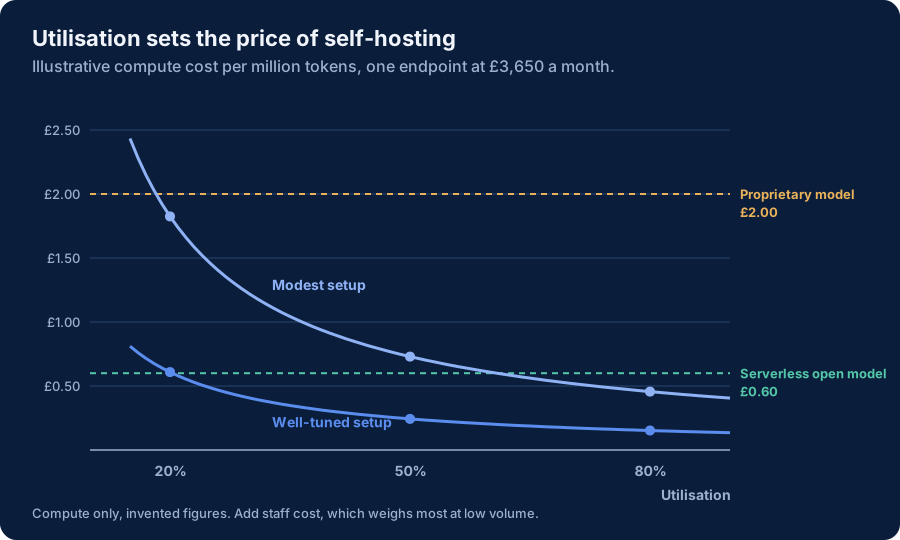
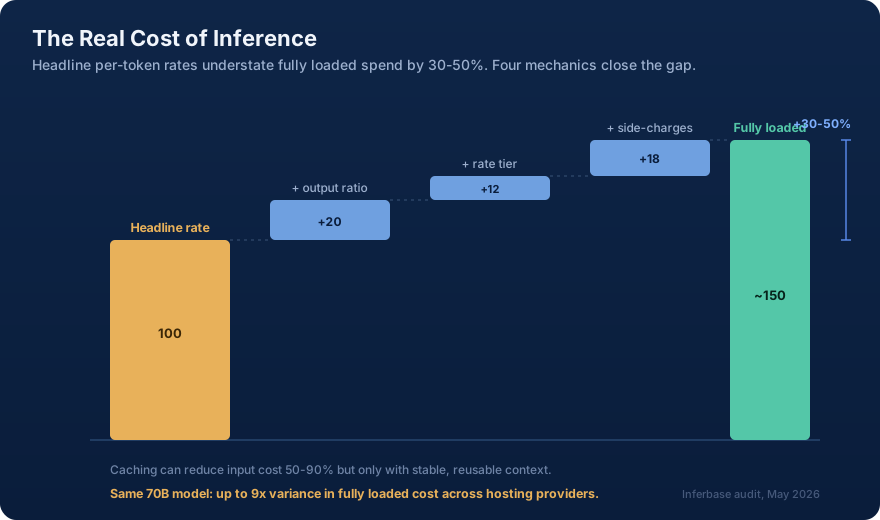
- A token count is not a cost. A token on a small model can cost a small fraction of a token on a frontier model, output tokens cost several times input tokens, and cached tokens cost less than either. Different model families also split the same text into different numbers of tokens, so per-token prices do not compare like for like across vendors.
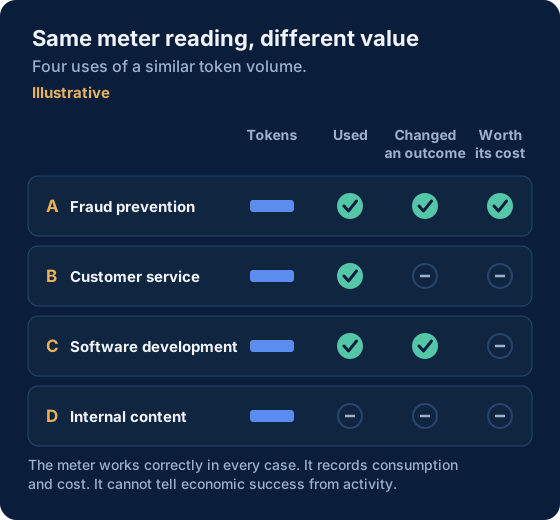
- A token count is not value. The same number of tokens can resolve a customer issue, generate code that is later thrown away, or produce a document nobody reads. This site's position is that the token is the meter, not the value. The Tokenomics Foundation likewise describes tokens as a unit of usage.
- Visible tokens are not all the tokens. Reasoning tokens are billed but usually not shown, and context sent again on every turn of a conversation or agent run is billed each time.
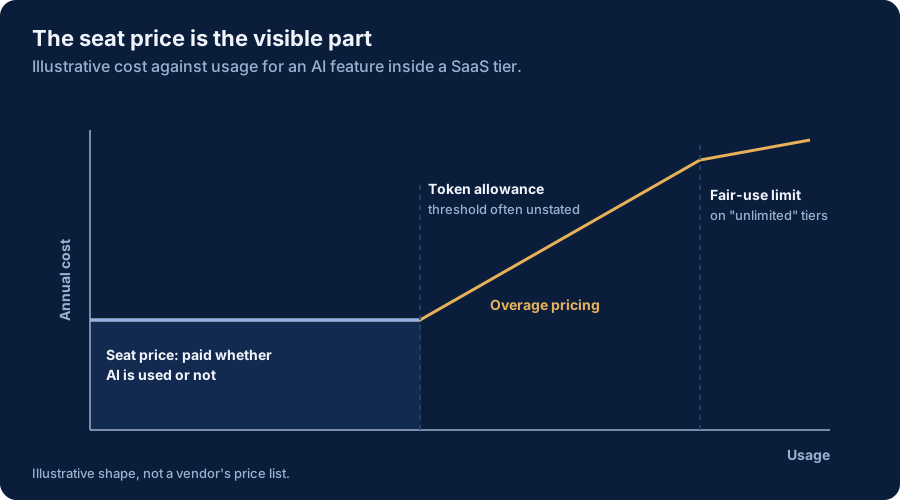
The better unit for decisions is cost per successful outcome, which counts the tokens, the people who review and correct the output, and whether the task was actually done. In bundled SaaS subscriptions the tokens are hidden from the buyer altogether.
For how a token bill works, see Token Economics.