Skip to content

Glossary entry · Governance

Cost-exhaustion attack

An attack that drives up an organisation's AI usage on purpose, so that the AI bill rises or a budget limit shuts the service down. It typically targets public-facing chatbots, agents and APIs, using long or repeated prompts, prompts that trigger expensive reasoning or tool calls, or automated traffic. It is also called a denial-of-wallet attack.

Why it matters

Usage-based pricing turns a traffic problem into a cost problem. A public-facing AI service without per-user limits can run up a large bill before anyone notices, so token consumption needs to be watched as a security signal as well as a cost line.

Gartner predicts that by 2030, 80% of organisations with public-facing AI will have experienced cost-exhaustion attacks, and advises treating token consumption as a security indicator as well as a cost (Gartner, 15 September 2026). That is a forecast, not a measurement.

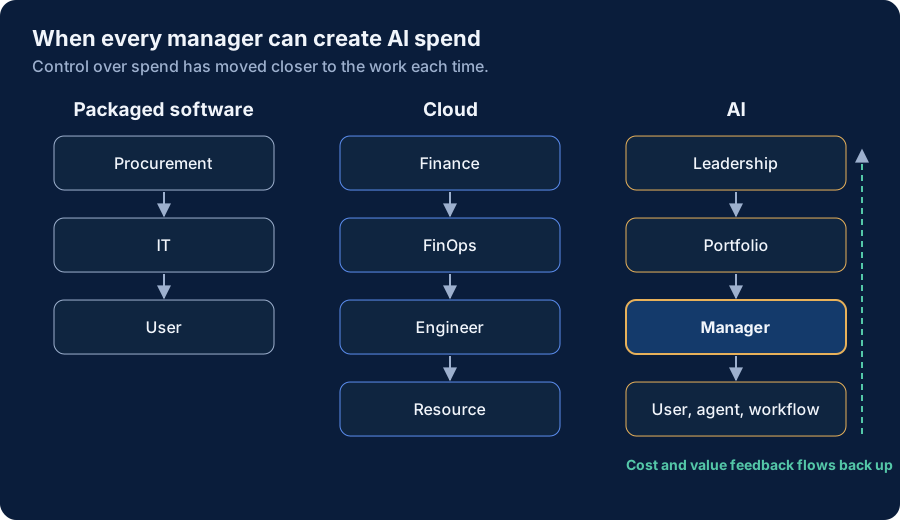
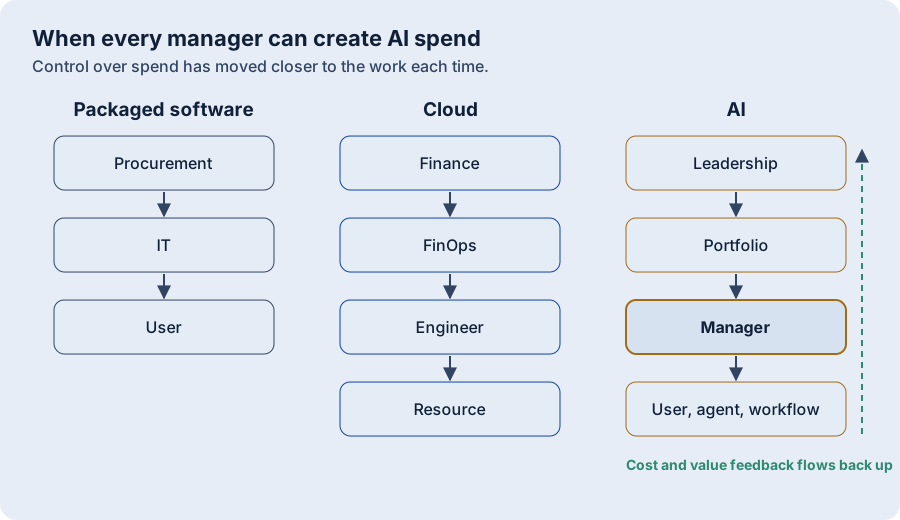
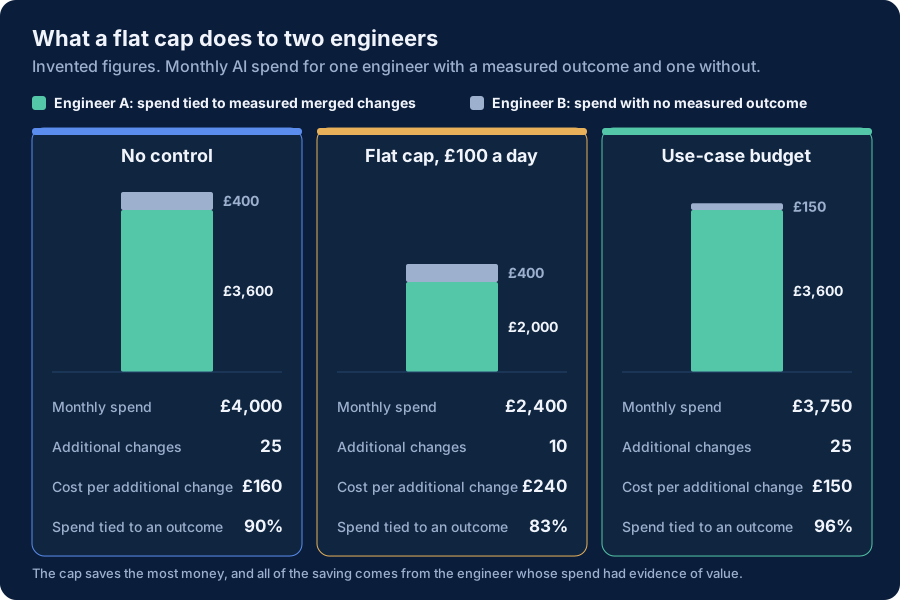
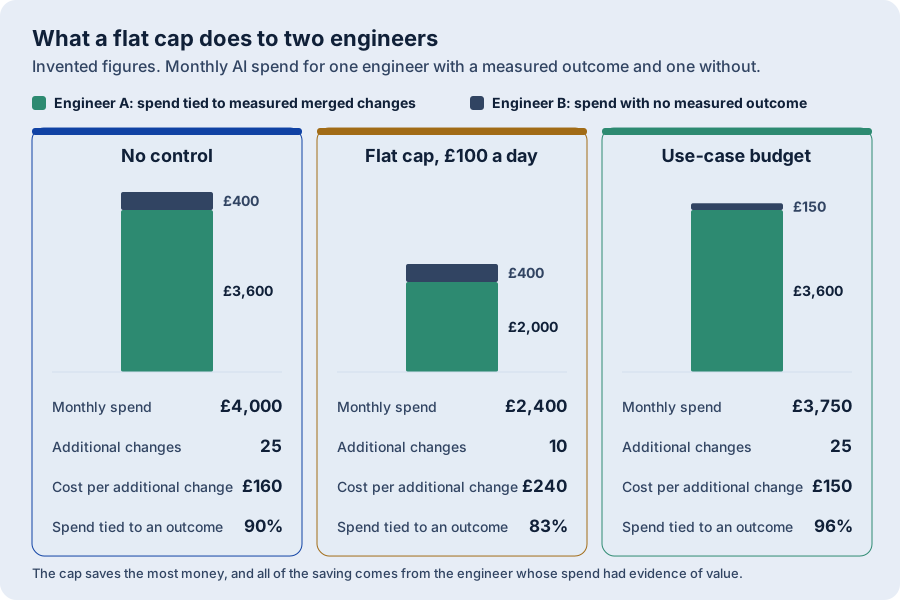
The usual controls are a spending limit for each user, session and API key; rate limits; caps on prompt length, output length and reasoning effort; limits on the tool calls an agent can make in one task; and alerts on unusual consumption that go to the security team as well as to FinOps. For how these limits sit alongside team budgets, see When Every Manager Can Create AI Spend.