

Layer E · Model Providers

OpenAI
Model provider covering both the API and the workforce products: token-based API billing with project budgets, and ChatGPT credit analytics and spend controls for enterprise workspaces.
Last checked . Visit OpenAI
At a glance
- Category
- Model Providers
- Control layer
- E: Native provider controls
- Five-Layer model
- Usage Transparency
- Status
- Active
- Typical buyers
- Engineering and platform, FinOps
- Delivery
- Built into a cloud or provider console
- Cost attribution
- Spend limits
- Adoption analytics
Also plays a role in: Workforce AI Usage & SaaS AI Spend
Spend controls it documents
Enforces limits
Value evidence it is designed to record
- Adoption and usage
Buyer fit
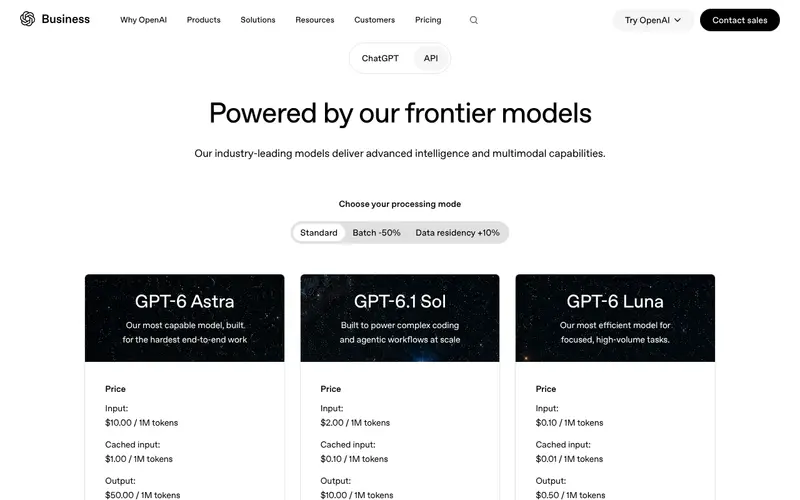
The default choice for many organisations due to model quality, developer familiarity, and ecosystem breadth. OpenAI is two cost lines, not one: API spend governed through projects and the Costs endpoint, and workforce spend on ChatGPT and Codex governed through the Admin Console, which now shows credit use by user, product and model alongside task insights. The primary buyer risk remains pricing. Stress-test use cases against materially higher prices and keep the ability to route elsewhere.
Market outlook
Frontier model provider. The pricing risk is significant. OpenAI's economics remain heavily investment-dependent, and pricing normalisation as the company moves toward sustainability could affect enterprise AI cost models that were built on current rates.
What to check
- Usage API and Costs endpoint support breakdowns by project, user, API key, model, and service tier.
- The ChatGPT Admin Console combines credit usage, task insights and outcome metrics for ChatGPT and Codex, with the same credit data available through a Cost API.
- ChatGPT Enterprise supports credit usage limits by custom role. These do not govern Platform API billing, so the two lines need separate controls.
Sources
- OpenAI API pricing
- OpenAI: how to connect AI usage to business value, 16 September 2026
- OpenAI: ChatGPT Enterprise spend controls
The map describes vendors from public sources; it does not rate, rank or recommend them, and no listing is paid for. Confirm pricing and capabilities with the vendor. See how the map is built.
By Ed Epstein, who works at IBM. The postings on this site are my own and don't necessarily represent IBM's positions, strategies or opinions. About and disclosure · Methodology